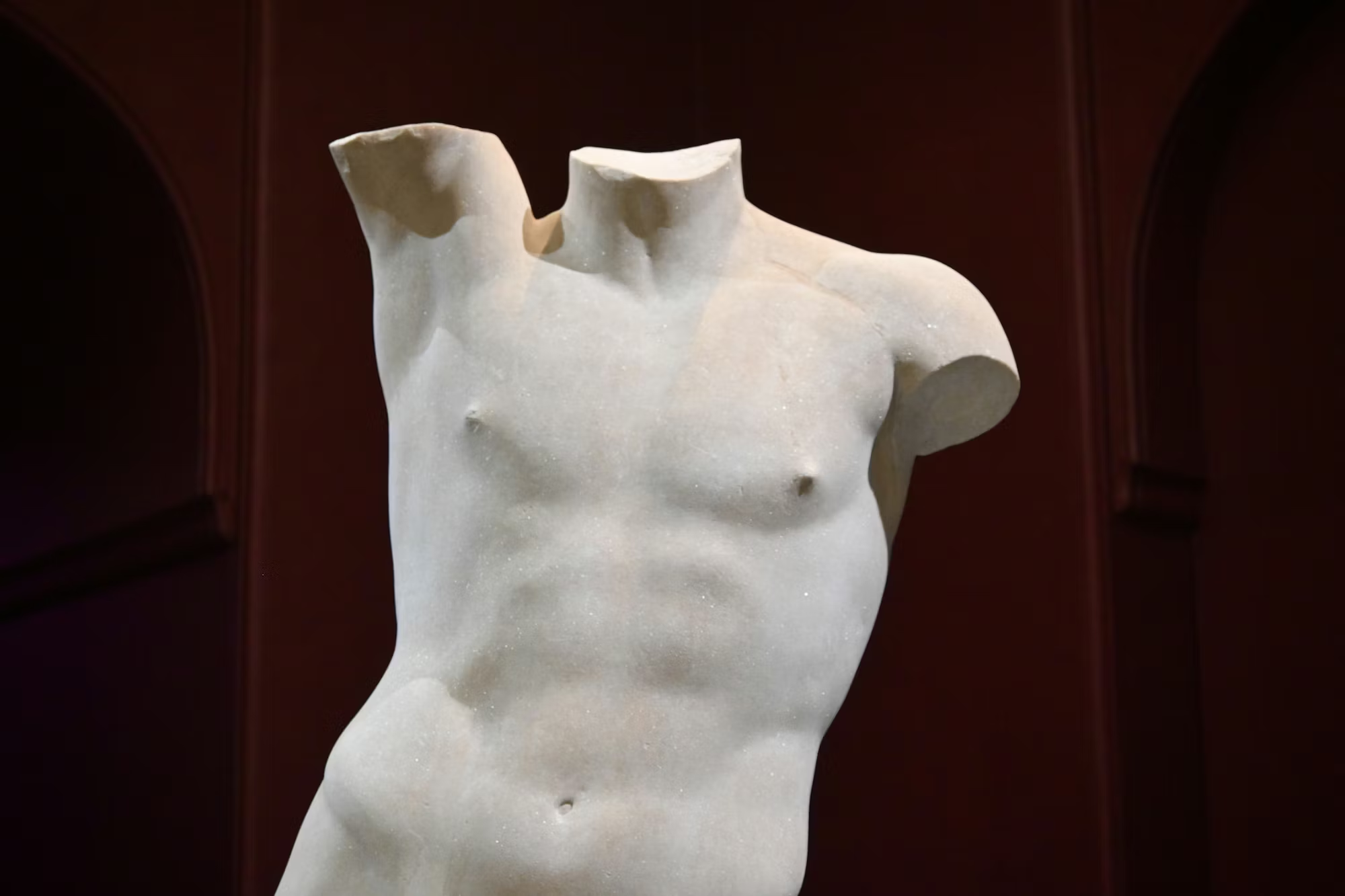
Specialty museums are unique gems within the broader landscape of cultural institutions, focusing on specific subjects or themes that cater to niche interests. These museums celebrate the diversity of human creativity and innovation, offering visitors an opportunity to delve deep into particular topics ranging from music and sports to technology and fashion. This article explores the fascinating world of specialty museums, highlighting their distinct collections, educational value, and community engagement.
One of the most compelling aspects of specialty museums is their ability to provide in-depth exploration of focused subjects. Unlike larger institutions that cover a broad range of topics, specialty museums narrow their focus, allowing for a more detailed examination of specific themes. For instance, the Rock and Roll Hall of Fame in Cleveland, Ohio, is dedicated to the history and impact of rock music. Visitors can explore extensive exhibits featuring iconic artifacts, memorabilia, and interactive displays that celebrate the contributions of influential artists and bands. This immersive experience offers a unique opportunity to appreciate the cultural significance of rock music and its evolution over the decades.
Similarly, the National Baseball Hall of Fame and Museum in Cooperstown, New York, showcases the rich history of America’s pastime. This museum not only highlights legendary players and significant moments in baseball history but also emphasizes the sport’s social and cultural impact. Through engaging exhibits, interactive displays, and educational programs, visitors gain insight into the game’s evolution, the stories behind iconic players, and the community spirit that baseball fosters. The museum serves as a tribute to the sport while encouraging a deeper understanding of its role in American culture.
Fashion museums, such as the Fashion Institute of Technology (FIT) Museum in New York City, offer another intriguing glimpse into specialized themes. The FIT Museum showcases the history of fashion and design, featuring exhibitions that explore various eras, styles, and cultural influences. Visitors can engage with exhibits that highlight the evolution of clothing and accessories, gaining insights into the artistry and craftsmanship behind iconic pieces. Such museums serve not only as a celebration of fashion but also as a platform for discussing broader societal issues, including identity, culture, and sustainability.
Technology-focused museums, like The Computer History Museum in Mountain View, California, provide an extensive look at the development of computing and technology throughout history. This museum features artifacts from early computers to contemporary innovations, offering visitors a chance to understand the profound impact technology has on our lives. Interactive exhibits allow guests to engage with the technology that has shaped our world, from pioneering hardware to revolutionary software. Such institutions encourage curiosity about the past and present of technology while inspiring future innovations.
Another fascinating specialty museum is the Museum of Bad Art (MOBA) in Massachusetts, which humorously celebrates art that is often overlooked or considered “bad.” This museum showcases a collection of artwork that, while not conventionally beautiful, invites visitors to appreciate the creativity and intent behind each piece. MOBA challenges traditional notions of art and encourages a broader understanding of artistic expression. By embracing the unconventional, this museum fosters a lighthearted atmosphere where visitors can enjoy the quirks of creativity.
In addition to celebrating niche interests, specialty museums often prioritize community engagement and education. Many institutions host workshops, lectures, and events that invite the public to participate actively in the subject matter. For example, the Museum of Science Fiction in Washington, D.C., offers programs that engage visitors in discussions about the impact of science fiction on culture and technology. By hosting author readings, film screenings, and panel discussions, this museum fosters a community of enthusiasts who share a passion for speculative storytelling and its implications for the future.
Children’s specialty museums, like the Children’s Museum of Indianapolis, focus on interactive learning experiences tailored to young audiences. These museums provide hands-on exhibits that encourage exploration and creativity, often revolving around themes such as science, art, and cultural diversity. Through play-based learning, children can engage with various subjects in a fun and supportive environment, laying the foundation for a lifelong love of learning. The ultimate goal is to inspire curiosity and creativity among young visitors, helping them develop critical thinking skills and a passion for exploration.
Another example of community-oriented specialty museums is the Aviation Museum in Seattle, which highlights the history and innovation of flight. This museum offers engaging exhibits that celebrate the advancements in aviation, from the early days of flight to modern aerospace technology. Visitors can explore historic aircraft, learn about the pioneers of aviation, and even participate in interactive flight simulations. By fostering a sense of wonder about flight and exploration, the museum inspires future generations of aviators and engineers.
Virtual specialty museums have also emerged as a valuable resource, providing online access to unique collections and experiences. Institutions such as the International Museum of Women offer digital exhibitions that explore the achievements and challenges faced by women around the world. By providing an online platform, these museums reach a broader audience, encouraging global conversations about women’s rights and achievements. This digital approach complements traditional museum experiences, allowing visitors to engage with content in innovative ways.
In the age of technology, specialty museums are finding new ways to enhance the visitor experience through digital tools. Augmented reality (AR) and virtual reality (VR) technologies are increasingly integrated into exhibits, providing immersive experiences that deepen engagement. For instance, the Museum of Science and Industry in Chicago features exhibits that use AR to allow visitors to visualize complex scientific concepts. This technological integration not only enhances understanding but also makes learning more interactive and enjoyable.
As specialty museums continue to thrive, they play a vital role in preserving and promoting cultural heritage. These institutions provide a platform for underrepresented voices and stories, highlighting the richness of diverse perspectives. By focusing on niche interests, specialty museums create spaces where visitors can connect with topics that resonate with them personally. This sense of connection fosters a deeper appreciation for the subject matter and encourages a lifelong passion for learning.
In conclusion, specialty museums are vibrant spaces that celebrate niche interests and foster community engagement. Through their unique collections and interactive exhibits, these institutions provide visitors with opportunities to explore specific themes in depth. From music and sports to technology and fashion, specialty museums enrich our understanding of the world while inspiring curiosity and creativity. As they continue to evolve and adapt to the needs of their audiences, these museums will undoubtedly remain vital resources for education, inspiration, and cultural appreciation.